
Key takeaways
- Compare five foam rollers for ab workouts, from short firm rollers for rollouts and planks to gentler options for easing soreness after core training.
What's inside
As an Amazon Associate I earn from qualifying purchases. This post may contain affiliate links at no extra cost to you.
A foam roller bought for ab work has to earn its place twice: once during the workout, when it acts as a training tool for rollouts, planks, and hollow holds, and again the next day, when sore core muscles need gentle work rather than punishment. Length, diameter, and density decide which of those jobs a roller handles well, and a roller that is wrong on any one of them tends to end up unused in a corner. Too long, and it gets in the way of a rollout; too soft, and it flattens under a plank; too aggressive, and it turns recovery into something you avoid.
This guide is for home exercisers who build core sessions around rollouts and planks, and for anyone who wants a simple recovery tool after ab day. Every roller below was chosen from its Amazon product title and listing details, with length, diameter, density, and construction stated, so the five picks can be compared on how they behave under body weight.
Quick Picks
As an Amazon Associate we earn from qualifying purchases.
| Product | Best for | Key spec from title |
|---|---|---|
| TriggerPoint GRID 1.0 13-inch | Short firm roller for ab rollouts | 13-inch EVA foam over a rigid hollow core |
| TriggerPoint CORE 18-inch | Softer mid-length roller for planks and recovery | 18-inch solid-core EVA roller |
| 321 STRONG Medium Density | Compact textured roller for core work and travel | Medium-density closed-cell EVA with a 3-zone surface |
| LuxFit Speckled 12-inch | Extra-firm short roller for focused core drills | 12-inch extra-firm molded polypropylene roller |
| Gaiam Restore Textured 18-inch | Lightly textured mid-length roller for mat work | 18-inch medium-density lightly textured roller |
How to Choose
Match the Length to the Move
Short rollers in the 12 to 13 inch range suit ab rollouts best, because the roller stays under your hands or forearms without extra length catching on the floor or your knees. A mid-length roller around 18 inches works for planks and side work, giving enough surface to rest forearms on while staying easy to store beside a mat. Full-length 36 inch rollers are better for rolling out the back and legs after a core session than for the ab moves themselves. Before ordering, picture the exact move you will do most often and choose the shortest length that still supports it comfortably.
Pick a Density You Can Hold a Plank On
Density decides whether a roller holds its shape when your full weight rests on it. A firm or extra-firm roller keeps a steady surface for planks and rollouts, so your forearms stay level instead of sinking toward the floor. A medium-density roller still supports most body-weight core work while feeling kinder on sore muscles the day after a hard session, which makes it a useful middle ground for beginners. Very soft rollers feel pleasant at first but tend to flatten under load, turning a controlled rollout into a wobble. If you can only buy one roller, medium to firm density covers the widest range of ab exercises.
Mind the Diameter and Your Reach
Most foam rollers sit around 5 to 6 inches across, and that small difference changes how a rollout feels. A wider roller lifts your hands higher off the floor, which lengthens the reach at the far end of a rollout and asks more of the shoulders and core. A narrower roller keeps the move closer to the ground and easier to control, which suits shorter arms and anyone still building rollout strength. Diameter also affects balance work: a slimmer roller is less stable under the forearms, so it challenges control more, while a wider one feels steadier. Check the listed diameter before ordering, and match it to your arm length and current strength.
Decide Whether Texture Helps or Distracts
A textured surface grips the mat and your skin, which can steady a roller during slow rollouts and keep it from sliding on a smooth floor. That grip is useful when your hands are damp after a workout, and it adds a firmer feel against sore muscles during recovery. A smooth surface, by contrast, lets the roller glide evenly and feels less intense on tender spots, which some people prefer for gentle post-workout work. Deep ridges and knobs can feel too sharp for ab work, where the roller presses near the ribs and hips. For core training, light texture or a smooth finish usually works better than an aggressive pattern.
The 5 Best Options
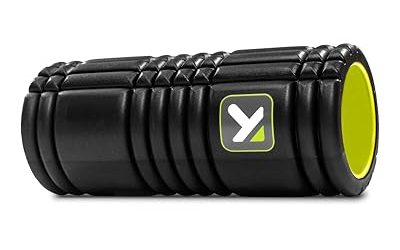
TriggerPoint GRID 1.0 13-inch

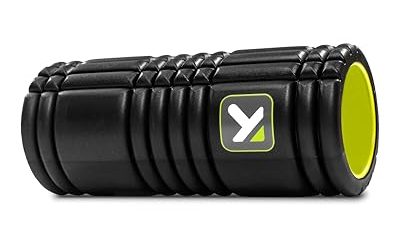
The GRID 1.0 is the shortest roller in this guide, and that compact 13 inch length is exactly what makes it handy for ab rollouts. It sits neatly under the hands or forearms, stays out of the way of knees and feet, and stores easily beside a mat or in a gym bag. Its multi-density GRID pattern gives a firm feel with varied surface zones, so pressure changes as the roller turns rather than staying flat and uniform. For focused core drills where control matters more than coverage, this is the roller to reach for first.
Specs
- 13 inches long by 5.5 inches in diameter
- EVA foam over a rigid hollow core
- Multi-density GRID pattern surface
Best for: Short ab rollouts and focused core drills in small spaces.
Watch out for: The firm GRID pattern can feel intense on tender spots, so start with light pressure and short sessions.
ASIN: B0040EGNIU
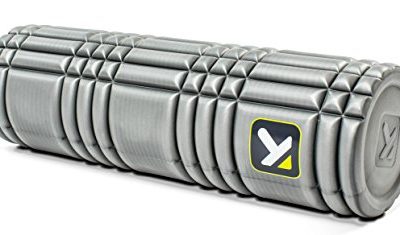
TriggerPoint CORE 18-inch
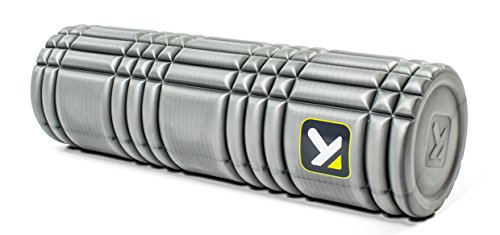
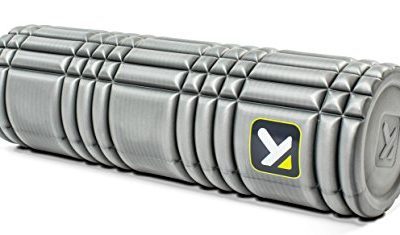
The CORE 18 inch roller takes a softer approach than the GRID, with a solid-core EVA build that gives a little under body weight instead of staying rigid. That gentler feel suits planks held on the forearms and slow recovery rolling after a hard ab session, when muscles are tender and a firm roller would be too much. At 18 inches it is long enough to support both forearms comfortably yet short enough to store easily and carry to a class. It bridges training and recovery in one roller, which makes it a strong pick for anyone who wants a single tool for both jobs.
Specs
- 18 inches long by 5.5 inches in diameter
- Solid-core EVA construction
- Softer feel than the GRID roller
- Stated weight limit of 325 lb
Best for: Forearm planks and gentle recovery rolling after ab sessions.
Watch out for: The softer build may feel less stable under full body weight during rollouts, so test it with short sets first.
ASIN: B01BVACFAK
321 STRONG Medium Density
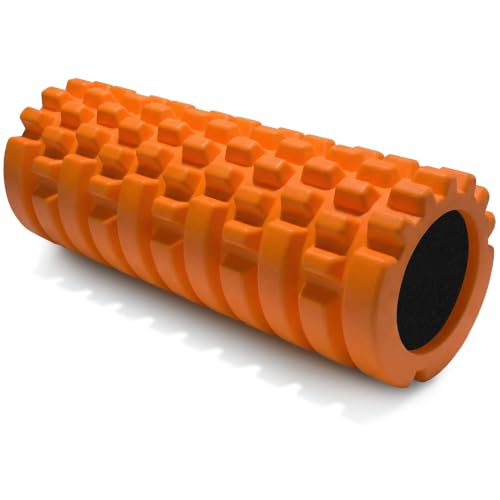
The 321 STRONG roller is a compact option at roughly 12.5 inches long, which puts it in the same handy size class as the shortest rollers here. Its medium-density closed-cell EVA body and 3-zone textured surface give a balanced feel: firm enough to support rollouts, forgiving enough for recovery work on sore abs. The short length also travels well, fitting in a gym bag or suitcase without taking over the space. It comes with a 4K eBook, which is a useful starting point for anyone new to roller work who wants guidance on basic moves.
Specs
- About 12.5 to 12.75 inches long by 5.25 to 5.5 inches in diameter
- Medium-density BPA-free closed-cell EVA
- 3-zone textured surface
- Includes a 4K eBook
Best for: Compact core work at home or on the road.
Watch out for: The short length covers less surface per pass, so allow extra time when rolling larger muscle groups.
ASIN: B01FOS1S7G
LuxFit Speckled 12-inch
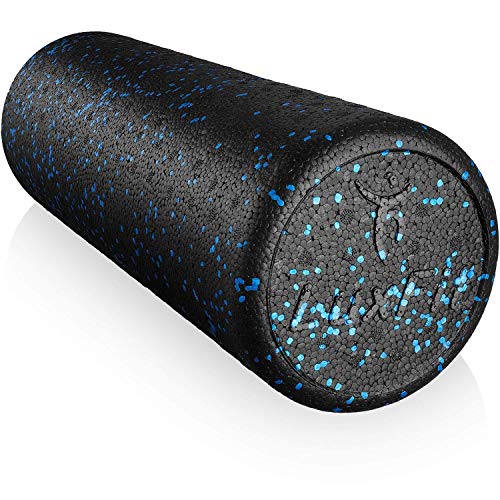
The LuxFit Speckled 12 inch roller is the firmest short roller in this guide, built from molded polypropylene that holds its shape under heavy use. That extra-firm feel gives a steady platform for rollouts and plank variations, with no give to absorb the effort you put in. Its 12 inch length keeps it compact for small rooms and easy to tuck beside a mat, while the speckled finish adds grip against the floor. For exercisers who find medium rollers too soft and want a roller that stays rigid through every rep, this one fits the brief.
Specs
- 12 inches long by 6 inches in diameter
- Extra-firm molded polypropylene construction
- Density of 2 lb per cubic foot
- 3-year warranty
Best for: Firm, steady support for rollouts and plank variations.
Watch out for: Confirm the 12-inch size is selected on the listing before ordering, since the same listing covers several sizes, and expect a very firm feel.
ASIN: B01BW2YYY2
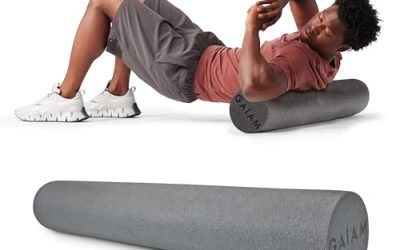
Gaiam Restore Textured 18-inch
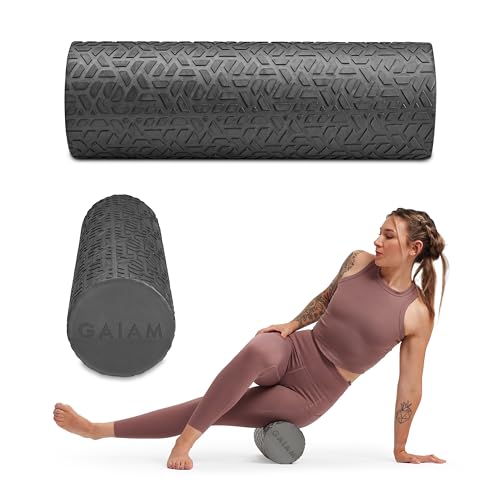
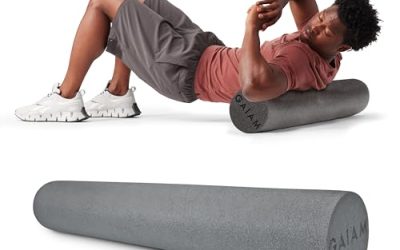
The Gaiam Restore Textured roller brings a lighter touch to this shortlist, with a medium-density body and a lightly textured surface that grips without digging in. At 18 inches long and about 6 inches across, it offers a comfortable platform for forearm planks and side work, and the gentle texture helps it stay put on a mat during slow, controlled moves. It is a good fit for exercisers who find firm rollers too intense, or for anyone easing back into core work after time away. The balance of length and mild texture makes it easy to use often.
Specs
- 18 inches long
- About 6 inches in diameter
- Medium-density, lightly textured surface
Best for: Gentle planks and controlled mat work for sensitive muscles.
Watch out for: Medium density may compress slightly under heavier body weight, so check that it still feels supportive during your longest holds.
ASIN: B07WT75WX7
Which One Fits Your Situation
If Rollouts Are the Core of Your Routine
Choose the TriggerPoint GRID 1.0 13-inch. Its short length stays under your hands without extra roller getting in the way, and the firm multi-density surface keeps each rollout controlled from start to finish. The compact size also means it is easy to position exactly where you need it, rep after rep, without adjusting your stance to work around a long roller.
If You Want One Roller for Training and Recovery
Pick the TriggerPoint CORE 18-inch. Its softer solid-core EVA build handles forearm planks during the workout and feels kinder on tender muscles afterward, so one roller covers both jobs. The 18 inch length supports both forearms at once, and it is still short enough to store beside a mat or carry to a class without hassle.
If Your Abs Are Sore and You Need Something Gentler
Go with the Gaiam Restore Textured 18-inch. Its medium density and light texture give a mild feel that suits tender muscles, and the 18 inch length offers a stable base for slow, careful work. It is forgiving enough to use daily after hard core sessions, which helps you stay consistent with recovery instead of skipping it because the roller feels too harsh.
If You Train in a Small Space or Travel With Your Roller
Take the 321 STRONG Medium Density roller. At roughly 12.5 inches long it fits in a gym bag, a suitcase, or a small corner beside a mat, and its medium-density body handles both rollouts and recovery work. The included eBook also gives new users a starting point for basic moves, so it works well as a first roller for someone building a home routine in limited space.
Common Mistakes
- Rolling directly over sore abs with full body weight on the first pass, instead of easing in with light pressure and short sessions.
- Picking a 36 inch roller for rollouts, then finding the extra length catches on knees and feet during every rep.
- Choosing the firmest roller available as a first roller, when a medium-density option would support the same moves with less discomfort.
- Skipping recovery rolling altogether on rest days, which wastes the second job a roller is bought to do.
- Forgetting to check the listed length and diameter before ordering, and ending up with a size that does not fit the space or the move.
Frequently Asked Questions
Can a foam roller replace ab exercises?
No. A roller supports core training by adding balance and control challenges to moves like planks and rollouts, and it helps muscles recover afterward, but it does not replace exercises such as crunches, leg raises, or dead bugs. Think of the roller as a tool that makes core work harder and recovery easier, not as a workout on its own.
What length works best for ab rollouts?
Short rollers around 12 to 13 inches work best for rollouts, because they stay under your hands or forearms without extra length getting in the way. Mid-length rollers near 18 inches can also work, especially for planks, but full-length 36 inch rollers are better saved for rolling the back and legs after the core session rather than for the ab moves themselves.
Is a firm or soft roller better for sore abs?
A medium-density roller is usually the safest starting point for sore abs, since it supports body weight without pressing too hard into tender tissue. A very firm roller can feel intense the day after a hard session, while a very soft roller may flatten under load. If soreness is your main concern, start with a medium option and build up to firmer rollers as your muscles adapt.
How often should I use a foam roller for core work?
Most people use a roller for a few minutes before a core session to warm up and a few minutes after to ease tightness, on the days they train. Short, regular sessions work better than one long session each week, and the roller should feel like firm pressure rather than sharp pain. If a spot feels unusually tender, ease off and keep the pressure light.
Related guides
More from Amazon
Programs that pair well with the guide above. Offers and eligibility are set by Amazon and may change.
Set up recurring deliveries of everyday items on eligible products. Terms and savings are set by Amazon.
Explore Subscribe & SaveFree shipping on eligible items, Prime Video and more. Eligible new members can start with a free trial.
Start a Prime free trialAudiobooks and podcasts to listen to on the go. Eligible new members can start with a free trial.
Try Audible freeRead from a large library of eBooks and audiobooks on any device. Check Amazon for current plans.
Explore Kindle UnlimitedAs an Amazon Associate we earn from qualifying purchases.
Write Your Review
No reviews yet. Be the first to share your experience!