
Key takeaways
- Find foam rollers for Pilates practice, from long soft rollers for spine alignment to medium options for balance work and gentle mat sessions.
What's inside
As an Amazon Associate I earn from qualifying purchases. This post may contain affiliate links at no extra cost to you.
Pilates asks a foam roller to be a quiet partner rather than a challenge in itself. During spine alignment work and balance drills, the roller sits under the back or limbs and must stay steady, smooth, and predictable, because any sudden shift pulls attention away from breath and control. That makes length and density the deciding factors: a long roller supports the full spine, while a softer body forgives the small wobbles that come with learning new positions. Choose wrong, and the roller fights the practice instead of supporting it.
Pilates students and home practitioners who want a roller for spine work, balance drills, and gentle mat sessions will find the five picks below drawn from Amazon product titles and listing details, with length, diameter, density, and construction laid out for each one, so the choice rests on how a roller behaves in slow, controlled movement rather than on a brand name.
Quick Picks
As an Amazon Associate we earn from qualifying purchases.
| Product | Best for | Key spec from title |
|---|---|---|
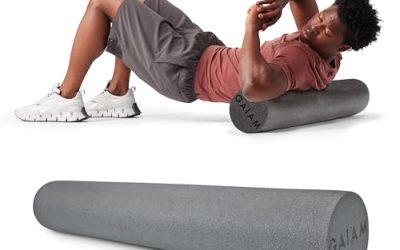
| Gaiam Restore Muscle Therapy 36-inch | Long medium roller for spine alignment work | 36-inch medium roller with a hollow core |
| OPTP PRO-Roller Standard Density 36×4-inch | Slim long roller for balance and mat work | 36-inch long by 4-inch diameter standard-density roller |
| LuxFit Speckled 36-inch | Extra-firm long roller for steady support | 36-inch extra-firm molded polypropylene roller |
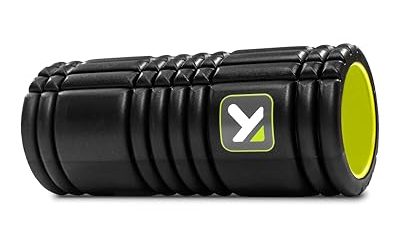
| TriggerPoint CORE 18-inch | Softer mid-length roller for gentle sessions | 18-inch solid-core EVA roller |
| Gaiam Restore Textured 18-inch | Lightly textured mid-length roller for mat work | 18-inch medium-density lightly textured roller |
How to Choose
Start With a Length That Fits the Spine
A full-length roller near 36 inches supports the spine from head to tailbone during alignment work, which is why Pilates practice leans toward longer rollers. The extra length also gives the arms and legs somewhere to rest during balance drills, so the body stays supported while it learns a new position. Shorter rollers still have a place for targeted work on one area, such as the calves or the sides of the torso, but they cannot support the whole spine at once. If spine work is your main goal, put length at the top of the list and treat shorter rollers as a second tool.
Choose a Density That Lets You Relax Into the Roller
Pilates movement depends on slow control and steady breathing, and a roller that is too firm can make it hard to settle into a position. Medium and standard densities give enough support to hold the spine level while still yielding a little under body weight, which helps muscles stay relaxed rather than bracing against a hard surface. Extra-firm rollers have their place when a student needs a completely steady base for balance work, but they feel less forgiving on tender areas. For most home practice, a medium-density roller is the comfortable middle ground.
Think About Diameter and Balance
A slimmer roller, around 4 inches across, sits lower to the floor and asks more of the small stabilising muscles during balance drills, which suits students who want a gentle challenge. A standard 6 inch roller lifts the body higher and feels more stable, making it easier to hold a position while focusing on breath and alignment. Diameter also changes how the roller feels under the spine: a wider roller spreads contact across the back, while a narrower one concentrates it along a smaller area. Match the diameter to your experience level and to how much challenge you want from balance work.
Smooth or Lightly Textured for Mat Work
For Pilates mat work, the roller surface should help you stay in place without grabbing at skin or clothing. A smooth finish glides evenly and feels calm under the back during slow rolling, which suits long spine sequences and gentle stretches. Light texture adds a little grip that keeps the roller from sliding on a hard floor, a real help when the mat sits on wood or tile. Strong ridges and raised patterns, though, can press uncomfortably into the spine and distract from the movement. In this kind of practice, smooth or lightly textured surfaces almost always serve better than bold patterns.
The 5 Best Options
Gaiam Restore Muscle Therapy 36-inch

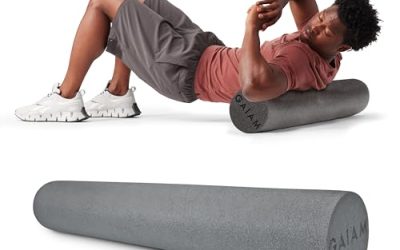
At 36 inches long, the Gaiam Restore Muscle Therapy roller covers the full spine in one pass, which is the single most useful trait for Pilates alignment work. Its medium, semi-firm feel supports the back without pressing hard into tender spots, and the hollow core keeps it light enough to move around the mat between exercises. The listing also includes a 15 minute digital workout, giving beginners a guided way to start. For students building a home Pilates routine around spine work, this long, gentle roller is a natural first choice.
Specs
- 36 inches long
- Medium, semi-firm density
- Hollow core construction
- Includes a 15-minute digital workout
Best for: Full-spine alignment work and gentle home Pilates sessions.
Watch out for: The long length needs clear floor space beside the mat, so measure your practice area before ordering.
ASIN: B00525XRSA
OPTP PRO-Roller Standard Density 36×4-inch

The OPTP PRO-Roller takes a different route to the same goal: it is 36 inches long like the Gaiam, but only 4 inches across, which lowers the body closer to the floor and adds a mild balance challenge. Its standard, medium-density closed-cell EVA body feels even and predictable under the spine, with no soft spots to throw off alignment. The slim profile also makes it easier to position precisely during targeted work on the legs or torso. For students who want long coverage with a little extra challenge, the narrower diameter is a thoughtful trade-off.
Specs
- 36 inches long by 4 inches in diameter
- Standard, medium-density closed-cell EVA
- Slim profile for precise positioning
Best for: Long spine work with a mild balance challenge.
Watch out for: Check the listed diameter before ordering, since this roller is 4 inches across rather than the usual 6 inches.
ASIN: B07D5N2SPD
LuxFit Speckled 36-inch

The LuxFit Speckled 36 inch roller is the firmest long option in this guide, built from molded polypropylene that stays rigid through every position. That steady base suits balance drills, where any give under the body can break concentration and pull a student out of alignment. The speckled surface adds grip on smooth floors, and the 3-year warranty covers the roller for long-term home use. It is best for students who already know their practice and want a long roller that never flexes, rather than for beginners seeking a soft introduction.
Specs
- 36 inches long by 6 inches in diameter
- Extra-firm molded polypropylene construction
- Density of 2 lb per cubic foot
- 3-year warranty
Best for: Steady balance drills and long spine work for experienced students.
Watch out for: The extra-firm feel can be intense on tender areas, so ease in with short sessions before longer sequences.
ASIN: B01BW2YZ1O
TriggerPoint CORE 18-inch
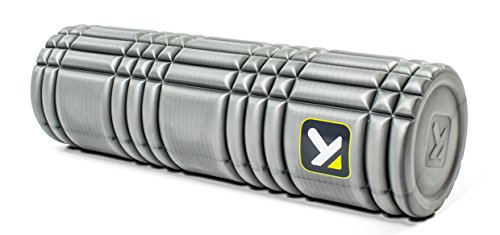
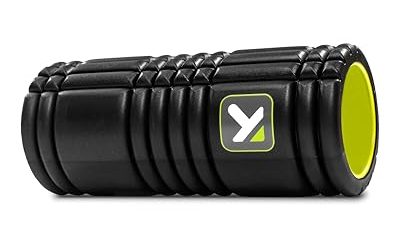
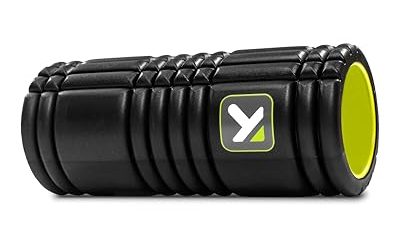
For shorter Pilates sequences, the CORE 18 inch roller offers a softer touch that suits gentle mat work and careful stretching. Its solid-core EVA body yields slightly under the back, which helps the body settle into a position instead of bracing against a hard surface. At 18 inches it is compact enough to keep beside the mat and carry to a studio, while still supporting the shoulders or hips during targeted exercises. Students who find firm rollers too harsh, or who want a second roller for travel, will appreciate the gentler feel here.
Specs
- 18 inches long by 5.5 inches in diameter
- Solid-core EVA construction
- Softer feel than the GRID roller
- Stated weight limit of 325 lb
Best for: Gentle mat work and shorter Pilates sequences.
Watch out for: The shorter length cannot support the full spine at once, so pair it with a long roller if spine alignment is your main goal.
ASIN: B01BVACFAK
Gaiam Restore Textured 18-inch
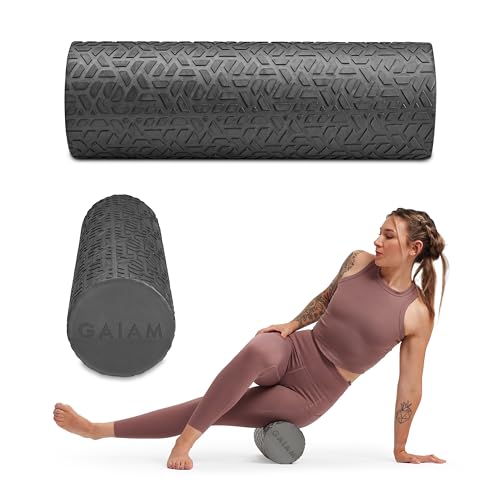
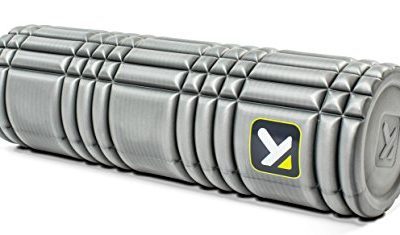
The Gaiam Restore Textured roller rounds out this guide with a mild, easygoing character that suits relaxed home practice. Its medium-density body and light texture grip the mat gently, keeping the roller in place during slow movements without pressing sharply into the back. The 18 inch length handles shoulder and hip work comfortably, and the soft feel invites regular use rather than occasional effort. For students returning to Pilates after a break, or for anyone who prefers a calm, forgiving roller, this one earns its place.
Specs
- 18 inches long
- About 6 inches in diameter
- Medium-density, lightly textured surface
Best for: Relaxed home practice and gentle shoulder and hip work.
Watch out for: The medium-density body can give a little under heavier weight, so try your longest holds on it early and make sure it still feels steady.
ASIN: B07WT75WX7
Which One Fits Your Situation
If Spine Alignment Is Your Main Goal
The Gaiam Restore Muscle Therapy 36-inch fits this goal best. Its full length supports the spine from head to tailbone in one position, and the medium, semi-firm feel lets the back settle without pressing into tender spots. The hollow core keeps it light to move around the mat, and the included digital workout gives beginners a guided start to alignment practice.
If You Want a Little Balance Challenge
For a gentle challenge, the OPTP PRO-Roller Standard Density 36×4-inch is the pick. Its slim 4 inch diameter sits lower to the floor than a standard roller, asking more of the stabilising muscles while still covering the full spine. The even, medium-density EVA body stays predictable through slow drills, so balance work feels like a gentle challenge rather than a struggle.
If You Prefer a Firm, Steady Base
Experienced students who want a rigid base should look at the LuxFit Speckled 36-inch. Its extra-firm molded polypropylene body holds its shape through every position, giving a base that never flexes mid-drill. The 36 inch length covers the whole spine, and the speckled surface grips smooth floors, so balance sequences stay steady from start to finish.
If You Need a Compact Roller for Travel or Small Rooms
The TriggerPoint CORE 18-inch works well as a travel roller. Its softer solid-core build suits gentle mat work and stretching, and the 18 inch length fits easily in a bag or beside a mat in a small room. It cannot support the full spine at once, so treat it as a travel companion or a second roller, and keep a long roller at home for full alignment sessions.
Common Mistakes
- Buying a short roller for spine alignment work, then finding it cannot support the head and tailbone at the same time.
- Choosing the firmest long roller as a first Pilates roller, when a medium-density option would let the body relax into each position.
- Practising balance drills on a roller with deep ridges, which can press into the spine and pull focus away from breath and control.
- Skipping the diameter check and ordering a 4 inch roller when a standard 6 inch roller was expected, or the reverse.
- Leaving the roller on a smooth floor without a mat underneath, so it slides away mid-movement instead of staying where it was placed.
Frequently Asked Questions
What length foam roller is best for Pilates?
A 36 inch roller is the usual choice for Pilates, because it supports the full spine during alignment work and gives the arms and legs a place to rest during balance drills. Shorter rollers near 18 inches still work for targeted exercises on the shoulders, hips, or legs, but they cannot hold the whole spine at once, so most students start with a long roller.
Should a Pilates roller be soft or firm?
Medium density suits most Pilates practice, since it holds the spine level while yielding slightly under body weight so muscles can stay relaxed. A very firm roller gives a steadier base for balance drills but can feel harsh on tender areas, while a very soft roller may flatten and lose alignment. Beginners usually do best starting in the middle and adjusting from there.
Can I use a foam roller on a hard floor?
Yes, with a mat underneath. A mat keeps the roller from sliding on wood or tile and cushions the body during slow movements, which matters most during balance drills. Without a mat, even a lightly textured roller can drift mid-exercise, breaking concentration and alignment. Choose a mat with enough grip to hold both the roller and your feet steady.
How do I keep a foam roller clean?
Wipe the surface with a damp cloth after each session and let it dry fully before storing, which keeps sweat and dust from building up on the foam. Avoid soaking the roller or using harsh cleaners, since closed-cell EVA and molded polypropylene can be damaged by strong chemicals. Store it upright in a dry spot, away from direct sunlight, so the shape stays even over time.
Related guides
More from Amazon
Programs that pair well with the guide above. Offers and eligibility are set by Amazon and may change.
Set up recurring deliveries of everyday items on eligible products. Terms and savings are set by Amazon.
Explore Subscribe & SaveFree shipping on eligible items, Prime Video and more. Eligible new members can start with a free trial.
Start a Prime free trialAudiobooks and podcasts to listen to on the go. Eligible new members can start with a free trial.
Try Audible freeRead from a large library of eBooks and audiobooks on any device. Check Amazon for current plans.
Explore Kindle UnlimitedAs an Amazon Associate we earn from qualifying purchases.

Write Your Review
No reviews yet. Be the first to share your experience!