
Key takeaways
- Compare fingertip, ring and rechargeable pulse oximeters for Indian homes, with notes on genuine listings, warranty checks and humid-climate battery care.
What's inside
As an Amazon Associate I earn from qualifying purchases. This post may contain affiliate links at no extra cost to you.
Buying a pulse oximeter in India is less about chasing the longest feature list and more about trusting what the reading represents. Lookalike fingertip units copy the shells of established brands, seller names change between listings, and warranty wording is easy to skim past. A household that checks an elderly parent each morning needs a device whose brand, seller and support route can be verified before anyone relies on its numbers.
This guide is for families tracking readings at home, buyers replacing a doubtful no-name unit, and anyone who wants overnight or alarm features without pretending a home device is hospital equipment. Every pick below comes from its Amazon product title and listing details, and each entry states plainly where a model is positioned for sports and aviation use rather than medical care.
Quick Picks
As an Amazon Associate we earn from qualifying purchases
| Product | Best for | Key spec from title |
|---|---|---|
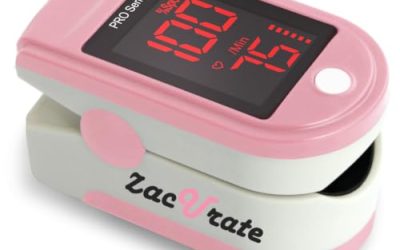
| Zacurate Pro Series 500DL | Households wanting a simple covered fingertip unit | LED display with silicone cover, batteries and lanyard included |
| Innovo Deluxe iP900AP | Readers who want an alarm plus waveform detail | Alarm, plethysmograph and perfusion index on an OLED display |
| Masimo MightySat | Buyers who also want respiration rate from the fingertip | Respiration rate (RRp), perfusion index and pleth variability index |
| Wellue O2Ring | Overnight wear without a fingertip clamp | Ring design with vibration reminder and continuous recording |
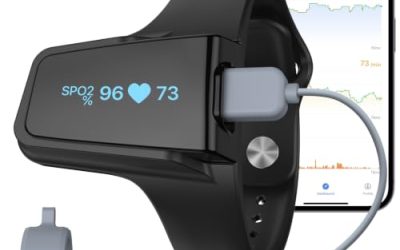
| CMI Health Rechargeable (PC-66) | Longer monitoring sessions at home | Adjustable alarm with continuous monitoring and spot-checking |
How to Choose
Check the brand and seller before the features
In India the same-looking fingertip shell appears under many names, so start with who actually makes and sells the unit. Open the listing and confirm the brand name matches the device in the photos, then read the seller information and the warranty terms written on that page rather than assuming support exists. A genuine-brand listing states what is covered and for how long. If the seller cannot be identified, or the warranty wording is vague, treat the reading as unverified too and keep looking.
Match the format to how readings happen at home
A fingertip clamp suits quick spot checks: place it, wait for a stable number, remove it. That rhythm works for a morning routine shared between family members. It suits overnight use far less well, because a clamp can shift while someone sleeps. A ring design stays on the finger for continuous recording across the night, while a rechargeable unit with an adjustable alarm fits longer daytime sessions where nobody is watching the screen constantly. Choose for the actual routine, not the product photo.
Decide which extra signals you will genuinely use
Beyond oxygen saturation and pulse rate, some models add a plethysmograph waveform, a perfusion index, or respiration rate measured from the fingertip. These extras help when a weak signal keeps producing doubtful readings, because the waveform shows whether the device is sensing a clean pulse. They add little if the household only needs a quick daily number and will never look at them. Pay attention to which signals a listing actually names, and remember extra signals do not turn a home tracker into a medical monitor.
Plan for humidity, batteries and storage
Monsoon humidity and warm storage cupboards are unkind to small electronics and loose batteries. Fingertip units that include a silicone cover or a pouch give the sensor some protection between uses, and keeping spare batteries dry matters in coastal homes. Rechargeable models remove the battery drawer problem but depend on their adapter being kept with the case. Whichever format you choose, store the device away from bathroom steam, wipe it dry after use in damp weather, and check the listing for what protective extras are actually included.
The 5 Best Options
Zacurate Pro Series 500DL

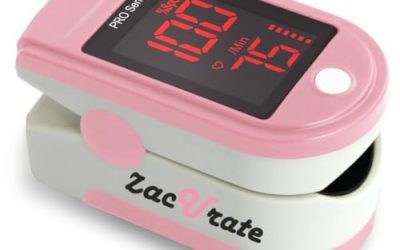
For an Indian household buying its first oximeter, this fingertip model keeps the decision simple. The listing includes a silicone cover, batteries and a lanyard, so the unit arrives ready to use and easier to protect between readings. Its LED display covers the basics without menus to learn, which helps when several relatives share one device. Buyers should note the listing positions this model for sports and aviation use, so treat it as a personal tracker for home routines, not as a medical device or a substitute for clinical assessment.
Specs
- LED display
- Silicone cover included
- Batteries included
- Lanyard included
- Positioned for sports and aviation use per listing
Best for: Families who want a straightforward fingertip unit with protective extras in the box.
Watch out for: Confirm the seller and warranty terms on the listing, since lookalike fingertip shells are common.
Innovo Deluxe iP900AP

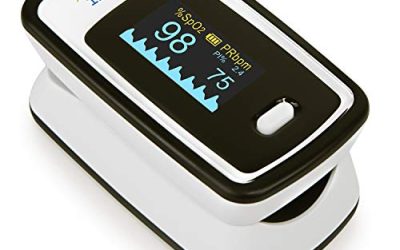
Households that want more feedback than two numbers should look at this Deluxe model. Its alarm can flag readings while a caregiver is in another room, and the plethysmograph with perfusion index shows whether the finger signal looks clean before anyone trusts the result. The OLED display rotates through six directions, which makes readings easier from whichever side of a bed or chair the caregiver stands. It remains a home tracking device, so use its extra detail to judge reading quality rather than to make medical decisions on your own.
Specs
- Alarm
- Plethysmograph
- Perfusion index
- OLED display
- Six display directions
Best for: Caregivers who want an alarm and a waveform view during home checks.
Watch out for: Check how the alarm is set on the listing so its alerts match your household routine.
Masimo MightySat
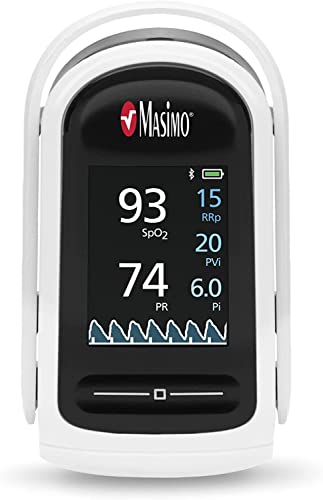
The MightySat suits buyers who want the widest set of signals from a fingertip unit. Alongside oxygen saturation and pulse rate, the listing names respiration rate, perfusion index and pleth variability index, all read through Bluetooth-enabled hardware with an OLED display and touchpad controls. It runs on AAA batteries and includes a pouch, which keeps it simple to store and carry between homes. That breadth suits a family member who tracks several measures at once, while simpler households may never use the additional indexes it reports.
Specs
- Bluetooth
- Measures SpO2 and pulse rate
- Respiration rate (RRp)
- Perfusion index
- Pleth variability index
- OLED display with touchpad
- AAA batteries
- Pouch included
Best for: Buyers who want respiration rate and extra signal indexes from one fingertip device.
Watch out for: Keep spare AAA batteries dry and on hand, since this model depends on replaceable cells.
Wellue O2Ring

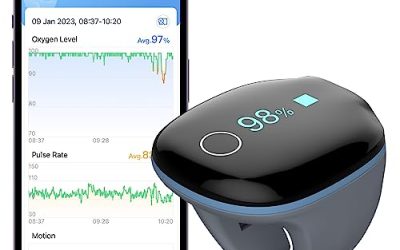
Overnight questions call for a different shape entirely. The O2Ring sits on the finger as a ring rather than clamping it, records continuously, and uses a vibration reminder instead of asking a sleeping person to watch a screen. Readings move over Bluetooth to app and PC reports, which suits families reviewing a full night with a doctor later. Its battery is rated at sixteen hours per the listing. Because it records trends at home, present those reports as background for a clinician, not as a diagnosis in themselves.
Specs
- Ring design
- Vibration reminder
- Bluetooth
- Continuous recording
- App and PC reports
- 16-hour battery
Best for: Overnight recording for people who cannot keep a fingertip clamp in place.
Watch out for: Check ring sizing and fit details on the listing before ordering for a specific finger.
CMI Health Rechargeable (PC-66)

For longer home sessions, this rechargeable unit removes the routine of swapping small batteries. The listing pairs continuous monitoring with ordinary spot-checking, and its adjustable alarm lets a caregiver step away while readings continue. A carry case and AC adapter are included, so the charging setup travels with the device between rooms or relatives’ homes. It fits households monitoring a recovering family member across the day, provided everyone remembers these are home readings to share with professionals, not monitored medical surveillance.
Specs
- Rechargeable
- Adjustable alarm
- Continuous monitoring and spot-checking
- Carry case included
- AC adapter included
Best for: Longer daytime monitoring at home without disposable battery changes.
Watch out for: Keep the included adapter with the case, because the unit is only useful while it stays charged.
Which One Fits Your Situation
A first oximeter for parents living across town
Choose the Zacurate Pro Series 500DL if the priority is a device your parents will actually use without help. The included cover, batteries and lanyard remove setup errands, and the LED display asks nothing of them beyond placing a finger. Order it from a listing where the brand and warranty are clear, and remind them it supports home awareness rather than medical decisions.
Night readings keep coming up in family discussions
Pick the Wellue O2Ring when the question is what happens during sleep. A fingertip clamp rarely stays put until morning, while the ring records continuously and vibrates as a reminder without waking the whole room. Review the app or PC report together afterwards, then take persistent concerns to a doctor instead of interpreting a single night’s trace at the kitchen table.
One device shared by a large joint family
The Innovo Deluxe iP900AP handles shared use well because its rotating OLED directions and waveform view help different people confirm a reading quickly. The alarm also helps when the person checking is not the person wearing it. Agree on one storage spot, keep the finger clean and still during checks, and record whose reading was whose if several relatives test in a row.
Tracking several measures during recovery at home
Consider the Masimo MightySat or the CMI Health PC-66. The MightySat adds respiration rate and signal indexes for households following a clinician’s suggestion to watch several numbers, while the rechargeable CMI unit suits scheduled checks across the day with its adjustable alarm. Either way, share the logged readings with the treating doctor rather than adjusting any treatment based on a home device alone.
Common Mistakes
- Buying the cheapest lookalike listing without checking whether the brand, seller and warranty terms are actually stated on the page.
- Assuming every fingertip oximeter is a medical device, when some listings position their models for sports and aviation use instead.
- Leaving the unit and spare batteries in a steamy bathroom or damp cupboard through the monsoon months.
- Wearing a fingertip clamp overnight and trusting readings from a sensor that shifted hours earlier.
- Treating one low home reading as a diagnosis instead of repeating the check properly and contacting a doctor when symptoms are present.
Frequently Asked Questions
How can I tell a genuine listing from a lookalike in India?
Compare the brand name on the device photos with the brand named in the title, then read the seller details and warranty terms printed on that listing. Genuine-brand pages state what support exists and what is included in the box. If the seller is unclear or the warranty wording is missing, skip that listing even when the shell looks identical.
Is a home pulse oximeter the same as hospital monitoring?
No. Home models are personal trackers that help you notice patterns and decide when to seek advice. Some listings, including the Zacurate model above, position the device for sports and aviation use rather than medical care. Hospital monitoring is continuous, supervised and clinically interpreted, which a consumer fingertip or ring device does not replace.
Which format works best for overnight readings?
A ring such as the Wellue O2Ring is built for that job because it stays on the finger, records continuously and can vibrate as a reminder. A fingertip clamp is designed around brief spot checks and often shifts during sleep, which makes its overnight numbers unreliable. Whichever you use, review trends over several nights rather than reacting to one recording.
How should I store an oximeter in a humid climate?
Keep it in its cover, pouch or case in a dry drawer away from bathroom steam, and store spare batteries in a sealed container rather than loose in a damp cupboard. Wipe the sensor area dry after use during monsoon weather. For rechargeable models, keep the adapter with the case so the device is charged when needed.
Related guides
More from Amazon
Programs that pair well with the guide above. Offers and eligibility are set by Amazon and may change.
Set up recurring deliveries of everyday items on eligible products. Terms and savings are set by Amazon.
Explore Subscribe & SaveFree shipping on eligible items, Prime Video and more. Eligible new members can start with a free trial.
Start a Prime free trialAudiobooks and podcasts to listen to on the go. Eligible new members can start with a free trial.
Try Audible freeRead from a large library of eBooks and audiobooks on any device. Check Amazon for current plans.
Explore Kindle UnlimitedAs an Amazon Associate we earn from qualifying purchases.
Write Your Review
No reviews yet. Be the first to share your experience!