
Key takeaways
- Compare five foam rollers for core exercises, from a compact GRID and 18-inch balance roller to long 36-inch options, with firmness and listing specs.
What's inside
As an Amazon Associate I earn from qualifying purchases. This post may contain affiliate links at no extra cost to you.
A foam roller turns core training into a balance problem, and that is exactly why buyers get stuck choosing one. A short, firm roller wobbles under a plank and forces the deep core muscles to steady the body, while a long, softer roller stays put under the spine during bridges and dead bugs. Length, diameter, and firmness decide whether the roller challenges stability or simply supports the body, so the choice shapes every session that follows.
This guide is for home exercisers building a core routine around planks, bridges, and balance drills, for Pilates-style movers who want a roller that doubles as a prop, and for anyone adding gentle rolling after a core session. Every pick below was chosen from its Amazon product title and listing details, with length, diameter, density, and construction stated, so the rollers can be compared on how they behave under the body rather than on marketing claims.
Quick Picks
As an Amazon Associate we earn from qualifying purchases.
| Product | Best for | Key spec from title |
|---|---|---|
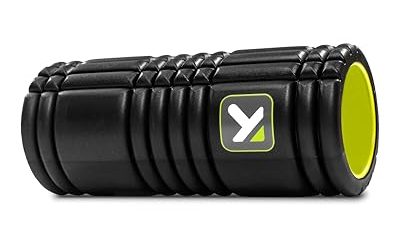
| TriggerPoint GRID 1.0, 13-inch | Short firm roller for plank balance work | 13 by 5.5 inch EVA foam over a rigid hollow core |
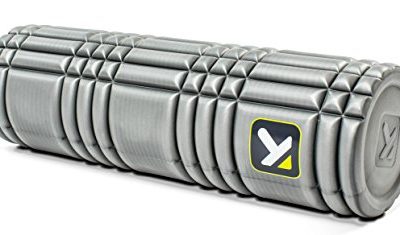
| TriggerPoint CORE, 18-inch | Softer roller for bridges and spine-supported moves | 18 by 5.5 inch solid-core EVA, softer than the GRID |
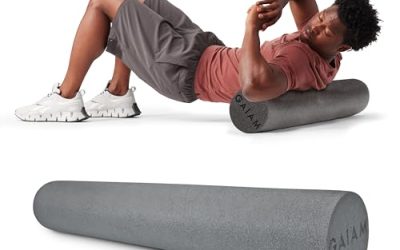
| Gaiam Restore Muscle Therapy, 36-inch | Long roller for full-core routines and post-session rolling | 36 inch medium-density roller with a 15-minute digital workout |
| 321 STRONG Medium Density | Compact textured roller for guided core sessions | About 12.5 inch long roller with a 3-zone textured surface and 4K eBook |
| OPTP PRO-Roller Standard Density, 36 by 4-inch | Narrow roller for a bigger stability challenge | 36 inch long by 4 inch diameter standard-density closed-cell EVA |
How to Choose
Match the Length to the Move
Length decides which core moves a roller can support. A 36-inch roller runs the full length of the spine, so it suits bridges, dead bugs, and side-lying work where the body needs a long, stable base. A 13-inch roller fits under the feet or the shoulder blades for plank variations and single-side balance drills, and it travels easily in a gym bag. An 18-inch roller sits between the two, long enough to support the upper back during a bridge and short enough to move around the mat. Before ordering, lay out the moves you actually do and check which length covers them.
Pick Firmness for Stability or Comfort
Firmness sets how much the roller gives way under body weight, and that changes the core demand. A firm roller barely compresses, so a plank held with forearms on it asks more of the stabilizers and gives clearer feedback when the hips drift. A medium-density roller sinks a little, which suits beginners and anyone easing into balance work, because the body can settle before the wobble starts. A softer roller is the kindest option for spine-supported moves, where comfort matters more than challenge. If you plan to hold planks on the roller, lean firm; if you plan to lie on it, lean softer.
Check Diameter Before You Buy
Diameter changes the height of the roller and the leverage it gives the body. A standard roller around five and a half inches across lifts the spine a comfortable distance off the mat, which works well for bridges and supported breathing drills. A four-inch roller sits lower, so balance moves on it feel steadier at first, yet the narrower base still demands constant small corrections from the core. A wider roller spreads pressure over more surface, which some people find easier on the back during long holds. Measure the space on your mat too, since a long roller needs a clear run of floor.
Think About Recovery as Well as Training
A roller bought for core work usually ends up doing double duty after the session, so recovery matters in the choice. Textured surfaces grip the skin and give more sensation during slow rolling, which suits people who like a firm post-workout pass over the thighs and back. Smooth rollers glide more evenly and suit gentle rolling after a hard core day. A hollow-core roller stays light enough to carry to class, while a solid-core roller feels heavier and more planted on the floor. Decide which job the roller will do most often, training or recovery, and let that set the priority.
The 5 Best Options
TriggerPoint GRID 1.0, 13-inch

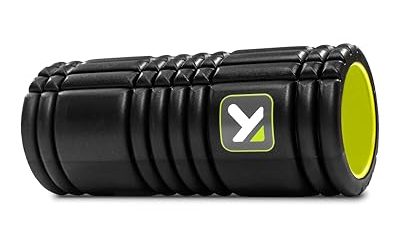
The GRID 1.0 is one of the shortest rollers in this guide, and its compact size is what makes it useful for core balance work. At 13 inches long it fits under the forearms for plank variations, under the feet for bridge holds, and under one shoulder blade for single-side stability drills. The multi-density GRID pattern gives the surface a varied feel that helps the hands and forearms grip during holds, and the rigid hollow core keeps the roller from flexing under body weight. It stores easily beside a mat and travels well in a gym bag.
Specs
- 13 inches long by 5.5 inches in diameter
- EVA foam over a rigid hollow core
- Multi-density GRID pattern surface
Best for: Short, firm balance work such as planks and single-side stability drills.
Watch out for: Check that the 13-inch length covers the moves you plan, since it does not support the full spine.
ASIN: B0040EGNIU
TriggerPoint CORE, 18-inch
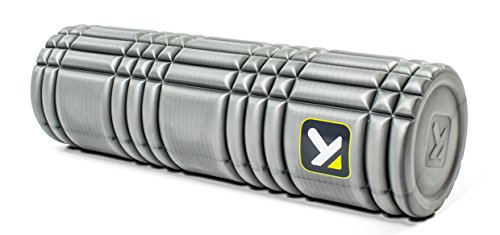
The CORE roller takes a softer approach, and that makes it a good fit for people who lie on the roller during core work. Its 18-inch length supports the upper back and shoulders through bridges and dead bugs, while the solid-core EVA construction gives a steady, even feel with no hollow flex. Because it is softer than the GRID, it suits beginners and anyone who finds firm rollers uncomfortable against the spine. The listed limit of 325 lb gives heavier users a clear number to check before ordering.
Specs
- 18 inches long by 5.5 inches in diameter
- Solid-core EVA construction
- Softer feel than the GRID roller
- Listed limit of 325 lb
Best for: Spine-supported core moves such as bridges and dead bugs.
Watch out for: Confirm the softer feel suits your balance work, since it gives less feedback than a firm roller.
ASIN: B01BVACFAK
Gaiam Restore Muscle Therapy, 36-inch

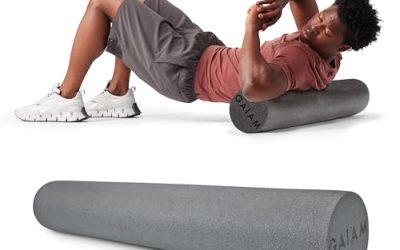
The Gaiam Restore Muscle Therapy roller is the long option in this guide, and length is its main advantage for full-core routines. At 36 inches it runs the full length of the spine, so it supports side-lying core work, long bridge holds, and rolling passes over the back and legs after a session. The medium, semi-firm feel sits between soft and hard, which suits people who want one roller for both training and recovery. The included 15-minute digital workout gives beginners a ready-made routine to follow.
Specs
- 36 inches long
- Medium, semi-firm density
- Hollow core construction
- Includes a 15-minute digital workout
Best for: Full-spine core routines and post-session rolling.
Watch out for: Measure your floor space first, since a 36-inch roller needs a long clear run.
ASIN: B00525XRSA
321 STRONG Medium Density
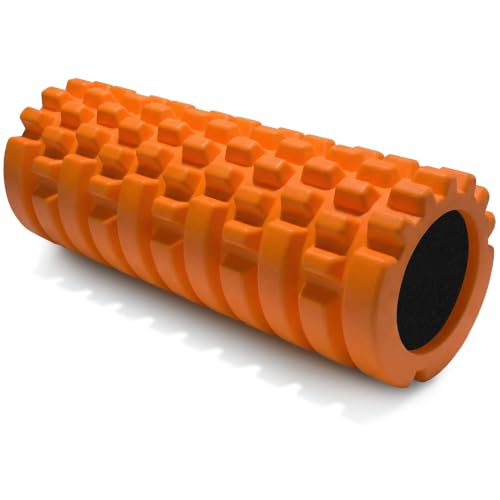
The 321 STRONG roller is a compact, textured option that works well for guided core sessions at home. At about 12.5 inches long it fits under the feet or forearms for balance drills, and the 3-zone textured surface gives the skin something to grip during slow, controlled holds. The medium-density, BPA-free closed-cell EVA keeps the feel even across the whole roller, and the included 4K eBook gives beginners a set of routines to work through. Its small size also makes it easy to store in a closet or carry to class.
Specs
- About 12.5 to 12.75 inches long by 5.25 to 5.5 inches in diameter
- Medium-density BPA-free closed-cell EVA
- 3-zone textured surface
- Includes a 4K eBook
Best for: Compact guided core sessions with a textured grip.
Watch out for: Check the listed length against your moves, since it is one of the shortest rollers here.
ASIN: B01FOS1S7G
OPTP PRO-Roller Standard Density, 36 by 4-inch

The OPTP PRO-Roller takes a different route to core challenge: it is long but narrow, at 36 inches by only 4 inches across. That lower height changes the leverage of balance moves, so planks and bridges on it ask for constant small corrections from the core. The standard, medium-density closed-cell EVA gives a firm, even feel without the extra height of a wider roller, and the full length still supports the spine during floor work. It suits experienced movers who want a harder stability test from a familiar roller shape.
Specs
- 36 inches long by 4 inches in diameter
- Standard, medium-density closed-cell EVA
Best for: Experienced movers who want a narrower, harder balance challenge.
Watch out for: Note the 4-inch diameter in the listing, since it is narrower than most rollers in this guide.
ASIN: B07D5N2SPD
Which One Fits Your Situation
You Want Plank Balance Work
Pick the TriggerPoint GRID 1.0 for plank balance work. Its short, firm build stays put under the forearms and gives clear feedback when the hips drift, so every hold trains stability as well as strength. The 321 STRONG roller is the backup choice if you want a textured grip and a guided eBook to follow. Skip the long rollers here, since their length adds nothing to a forearm plank.
You Train on Your Back
Pick the TriggerPoint CORE 18-inch for core work done lying on the roller. Its softer solid core cushions the spine through bridges and dead bugs, and the 18-inch length covers the upper back without taking over the mat. The Gaiam Restore Muscle Therapy roller is the alternative when you want full-spine support and a longer rolling surface for after the session.
You Want One Roller for Training and Recovery
Pick the Gaiam Restore Muscle Therapy 36-inch roller when one roller has to do both jobs. Its medium, semi-firm feel works for spine-supported core moves and for slow rolling over the back and legs afterward, and the included digital workout gives a routine to follow. The OPTP PRO-Roller is the second choice if you prefer a firmer, narrower roller for the training half of the session.
You Want the Hardest Stability Test
Pick the OPTP PRO-Roller for the hardest stability test in this guide. Its 4-inch diameter sits lower than a standard roller, so balance moves on it demand constant small corrections from the core. The GRID 1.0 is the compact alternative when you want a firm challenge in a shorter roller that travels easily. Start with short holds on either one and build up slowly.
Common Mistakes
- Buying the longest roller by default, then finding it hard to store and awkward for balance drills that need a short base.
- Choosing the firmest roller available and then avoiding it because it feels uncomfortable against the spine during floor work.
- Ignoring diameter, so a roller that looks right on paper lifts the body higher or lower than expected during bridges.
- Using the roller only for rolling and never for balance holds, which wastes its main use as a core training tool.
- Skipping a warm-up and jumping straight into long plank holds on a roller, which makes the first sessions harder than they need to be.
Frequently Asked Questions
Can a foam roller replace core exercises on the floor?
No, a roller adds a balance challenge to floor exercises rather than replacing them. Planks, bridges, and dead bugs still form the base of a core routine, and the roller makes those same moves harder by adding an unstable surface. Keep the floor versions in your routine and use the roller for variation a few times a week.
How long should a foam roller be for core work?
It depends on the moves you do most. A 36-inch roller supports the full spine for bridges and side-lying work, an 18-inch roller covers the upper back, and a 13-inch roller fits under the forearms or feet for balance drills. If you do a mix of all three, an 18-inch roller is the most flexible middle ground.
Is a firm or soft roller better for core training?
A firm roller gives more feedback during balance work, so it suits planks and stability drills where you want to feel every wobble. A softer roller suits spine-supported moves such as bridges, where comfort matters more than challenge. Many people start with a medium-density roller and move firmer as their balance improves.
How often should I use a foam roller for my core?
Two or three short sessions a week is a sensible starting point for most people. Use the roller for a few balance holds inside a normal core routine, then add gentle rolling over the back and legs afterward. Keep sessions short at first and build up as your balance improves, and stop if a move causes sharp discomfort.
Related guides
More from Amazon
Programs that pair well with the guide above. Offers and eligibility are set by Amazon and may change.
Set up recurring deliveries of everyday items on eligible products. Terms and savings are set by Amazon.
Explore Subscribe & SaveFree shipping on eligible items, Prime Video and more. Eligible new members can start with a free trial.
Start a Prime free trialAudiobooks and podcasts to listen to on the go. Eligible new members can start with a free trial.
Try Audible freeRead from a large library of eBooks and audiobooks on any device. Check Amazon for current plans.
Explore Kindle UnlimitedAs an Amazon Associate we earn from qualifying purchases.

Write Your Review
No reviews yet. Be the first to share your experience!