
Key takeaways
- Find a gentler foam roller for a sore back, with softer and medium densities, shorter sessions, and clear signs to stop and check with a clinician.
What's inside
As an Amazon Associate I earn from qualifying purchases. This post may contain affiliate links at no extra cost to you.
A sore back changes what you need from a foam roller. Pressure that felt fine on a healthy back can feel sharp on a tender one, so the usual advice to buy the firmest roller works against you here. The better starting point is a softer or medium roller that lets you control the pressure, used in short sessions with your body weight doing the work rather than force. The goal is easing stiffness and moving comfortably, not chasing a deep ache out of the muscle.
This guide is for people whose backs feel stiff, achy, or tender after sitting, sleeping awkwardly, or overdoing a weekend task. Every pick below was chosen from its Amazon product title and listing details, favoring softer and medium densities over extra-firm rollers, so you can compare gentle options side by side. Where a symptom sounds more than ordinary stiffness, check with a clinician before rolling.
Quick Picks
As an Amazon Associate we earn from qualifying purchases.
| Product | Best for | Key spec from title |
|---|---|---|
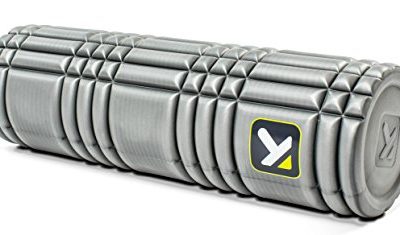
| TriggerPoint CORE 18-inch | A softer roller for a tender back | 18-inch solid-core roller, softer than the GRID |
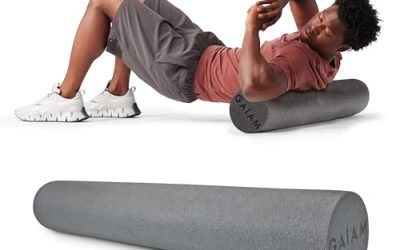
| Gaiam Restore Muscle Therapy 36-inch | Gentle full-back rolling in one pass | 36-inch medium-density roller with hollow core |
| Gaiam Restore Textured 18-inch | Light texture without extra firmness | 18-inch medium-density roller with a lightly textured surface |
| 321 STRONG Medium Density | A short, forgiving roller for beginners | Medium-density roller with a 3-zone textured surface |
| OPTP PRO-Roller Standard Density 36×4-inch | A narrower roller for a lower profile | 36-inch standard-density roller, 4 inches in diameter |
How to Choose
Start Softer Than You Think You Need
When your back hurts, the roller that helps is usually softer than the one you would grab on a good day. A soft or medium roller spreads your body weight over a wider area, so the pressure stays even instead of digging into one sore spot. Extra-firm rollers concentrate force, which is the last thing a tender back wants, so leave them on the shelf until the soreness has settled. If you already own a firm roller, layer a towel over it or roll against a wall to cut the pressure down. The right density is the one you can breathe normally on, not the one you have to brace against.
Keep Sessions Short and Pressure Light
Short, gentle sessions suit a sore back far better than one long, determined effort. Roll one area for a minute or two at most, moving slowly and pausing where the muscles feel tight, then move on or stop for the day. Let your body weight set the pressure, and keep your arms and legs doing the work of moving you rather than pressing down harder. If the feeling turns sharp, burning, or numb, that is your signal to stop, not to push through. A sore back recovers with patience, and a roller should support that, not test it.
Choose a Length That Lets You Stay Relaxed
Length matters for a sore back because it decides how much you have to move around to use the roller. A 36-inch roller supports the whole back at once, so you can lie still and let the roller do the work instead of shifting and repositioning. An 18-inch roller covers the upper or lower back in turn and is easier to handle when getting on and off the floor is uncomfortable. A short roller near 12 inches suits one sore spot, but it needs more repositioning. Pick the length that lets you stay relaxed; tension from wrestling with the roller defeats the purpose.
Know When to Stop and Ask a Clinician
A foam roller is a comfort tool, not a treatment, and knowing its limits is part of using it well. Stop rolling and seek advice if pain is sharp, shooting, or numb, if it travels down a leg, or if it keeps getting worse over days rather than easing. The same applies after a fall, a sudden injury, or any back problem with a known diagnosis. A clinician can tell you whether rolling is safe for your situation and which areas to avoid. Rolling through warning signs is never worth it, and a short chat with a clinician costs far less than a setback.
The 5 Best Options
TriggerPoint CORE 18-inch
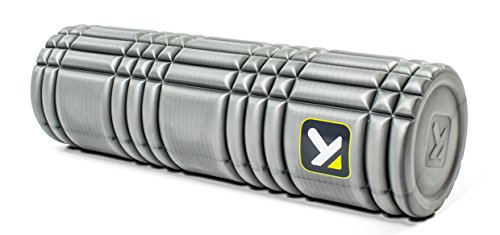
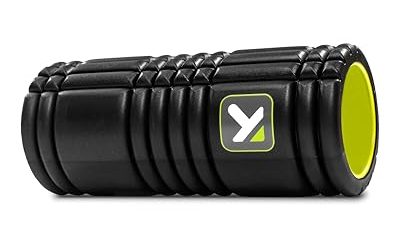
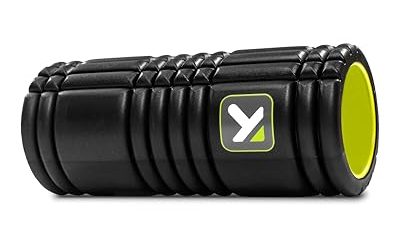
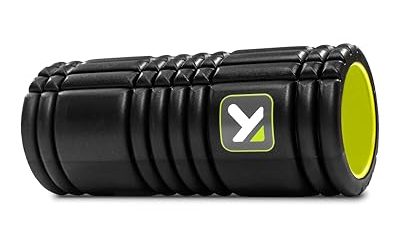
The CORE leads this guide because it is the gentlest roller in the TriggerPoint line, and gentleness is what a sore back needs first. Its solid EVA core supports your weight evenly along the full 18 inches, while its softer density keeps pressure mild compared with the firmer GRID. That combination suits a tender upper or lower back, worked in sections, without the sharp bite a firm roller can give. The listing states a 325 lb limit, which covers most users with room to spare. For anyone whose back is sore today, this is the calmest place to start.
Specs
- 18 inches long by 5.5 inches in diameter
- Solid-core EVA foam
- Softer than the GRID
- 325 lb limit stated on the listing
Best for: A softer mid-length roller for a tender back.
Watch out for: Skip this one if you want firm pressure, since its softer density is built for comfort, not intensity.
Gaiam Restore Muscle Therapy 36-inch

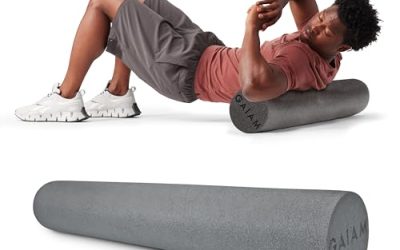
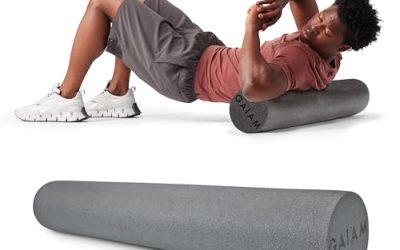
The Gaiam Restore Muscle Therapy roller earns its place here through length and a middle-of-the-road feel. At 36 inches it spans the whole back, so you can lie along it and stay still instead of repositioning a short roller while you are sore. Its medium, semi-firm density gives steady, even pressure that most tender backs can tolerate, without the hard edge of an extra-firm roller. A hollow core keeps it light enough to move around the house. The listing includes a 15-minute digital workout, which offers a gentle guided routine for people new to rolling.
Specs
- 36 inches long
- Medium, semi-firm density
- Hollow core
- Includes a 15-minute digital workout
Best for: Gentle full-back rolling without repositioning while sore.
Watch out for: A 36-inch roller needs floor space and a storage spot, so measure before ordering.
Gaiam Restore Textured 18-inch
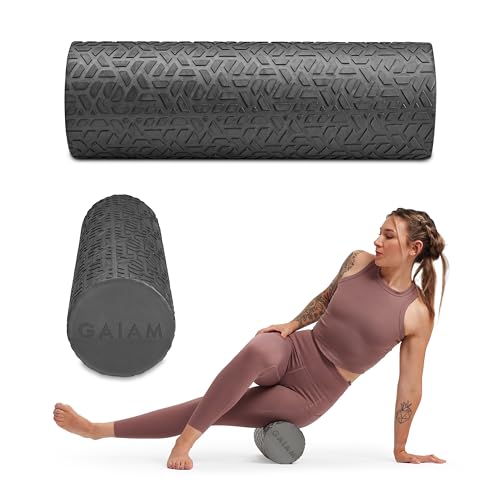
The Gaiam Restore Textured roller is the middle option for a sore back that still wants some surface interest. Its lightly textured surface adds a mild variation to the feel without the firm ridges of a patterned roller, and its medium density keeps the pressure even. At 18 inches long and about 6 inches across, it covers the upper or lower back in turn and is easy to position when getting down to the floor is awkward. It suits people who find a perfectly smooth roller dull but are not ready for anything firmer. Think of it as a small step up in feel, not in intensity.
Specs
- 18 inches long, about 6 inches in diameter
- Medium-density, lightly textured surface
Best for: Light texture on a sore back without extra firmness.
Watch out for: Check the listing to confirm the 18-inch size, since this line comes in other lengths.
321 STRONG Medium Density
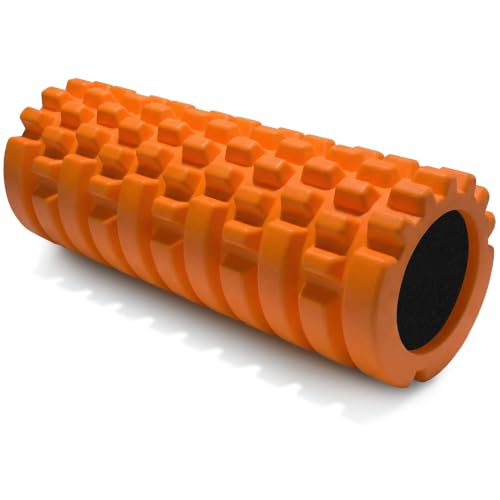
The 321 STRONG roller is the shortest pick in this guide, at about 12.5 to 12.75 inches, and its size is part of its gentleness. A short roller works one area at a time, which means you can focus on a single sore spot and leave the rest of your back alone. Its medium-density, BPA-free closed-cell EVA foam over a lightweight core gives steady pressure with no hard edge. The 3-zone textured surface lets you shift to a milder zone whenever one area feels too much. The listing includes a 4K eBook, which walks a beginner through the basic moves.
Specs
- About 12.5 to 12.75 inches long by 5.25 to 5.5 inches in diameter
- Medium-density BPA-free closed-cell EVA over a lightweight core
- 3-zone textured surface
- Includes a 4K eBook
Best for: A short, forgiving roller for one sore spot at a time.
Watch out for: Covering the whole back takes repositioning, so this suits spot work more than full-back sessions.
OPTP PRO-Roller Standard Density 36×4-inch

The OPTP PRO-Roller rounds out this guide as the narrow option, at 36 inches long but only 4 inches in diameter. That slimmer profile sits lower under the back than a 6-inch roller, which some people find easier when lying down is already uncomfortable. Its standard, medium density closed-cell EVA gives even, moderate pressure across the full length, so a whole-back session needs no repositioning. The 36-inch length also works well along the spine area for gentle stretching. Just note the diameter carefully: this is the 4-inch version, not the wider 6-inch roller of the same name.
Specs
- 36 inches long by 4 inches in diameter
- Standard, medium density closed-cell EVA
Best for: A lower-profile full-length roller for a sore back.
Watch out for: Confirm the 4-inch diameter on the listing, since a wider 6-inch version exists under a similar name.
Which One Fits Your Situation
Your Whole Back Feels Tender in the Morning
Pick the Gaiam Restore Muscle Therapy 36-inch. Its full length supports your back from shoulders to lower back, so you can lie still and roll gently instead of shifting a short roller around while you are stiff. The medium, semi-firm density is mild enough for a tender morning, and the hollow core keeps the roller light to carry to your usual spot. If a narrower profile sounds easier, the OPTP PRO-Roller at 4 inches in diameter is the slimmer alternative.
One Sore Spot Keeps Grabbing Your Attention
Pick the TriggerPoint CORE 18-inch. Its softer density and solid EVA core give even, mild pressure on a single tender area, whether that is the upper back or the lower back. At 18 inches it is easy to position under the spot and easy to put away after a short session. Keep the session brief, breathe normally, and stop if the feeling turns sharp.
You Want a Little Texture Without Extra Firmness
Pick the Gaiam Restore Textured 18-inch. Its lightly textured surface adds variety to the feel without the firm ridges of a patterned roller, and its medium density keeps pressure even on a sore back. The 18-inch length covers the upper or lower back in turn, and the roughly 6-inch diameter gives a broad, stable curve. It is the right pick when a smooth roller feels dull but anything firmer feels like too much.
You Are New to Rolling and Want the Gentlest Start
Pick the 321 STRONG Medium Density. Its short length works one area at a time, so you can learn the feel on a single spot before trying the whole back. The medium-density foam and 3-zone texture give you milder zones to fall back on, and the included 4K eBook explains the basic moves step by step. Start with a minute or two per area and build up slowly.
Common Mistakes
- Pressing hard into a sore spot, which turns a gentle session into a painful one.
- Rolling directly over the spine or bony areas instead of the muscles alongside them.
- Reaching for an extra-firm roller while your back is still tender, then wondering why it hurts.
- Rolling for too long in one session instead of stopping after a few gentle minutes.
- Rolling through sharp, shooting, or numb pain instead of stopping and asking a clinician.
Frequently Asked Questions
Can a foam roller help a sore back?
A foam roller can ease stiffness and help you move more comfortably, especially when used gently in short sessions. Choose a softer or medium roller, keep the pressure light, and roll the muscles alongside the spine rather than over it. If pain is sharp, shooting, or numb, stop rolling and ask a clinician.
How long should I roll a sore back?
Keep it brief: a minute or two per area is enough when your back is sore, with slow passes rather than fast ones. A short daily session beats one long effort, and you can build up gradually as the soreness eases. Stop sooner if an area feels irritated or the pain changes character.
Should I use a firm roller on back pain?
No, not while the back is still tender. Firm and extra-firm rollers concentrate pressure, which can make a sore back feel worse. Start with a softer or medium roller such as the CORE or a medium Gaiam roller, and only consider firmer options once the soreness has settled for a while.
When should I see a clinician instead of rolling?
See a clinician if pain is sharp, shooting, or numb, travels down a leg, follows a fall or sudden injury, or keeps worsening over several days. The same applies if you have a known back diagnosis and are unsure whether rolling is safe. A quick check can confirm which areas to avoid and whether rolling suits your situation.
Related guides
More from Amazon
Programs that pair well with the guide above. Offers and eligibility are set by Amazon and may change.
Set up recurring deliveries of everyday items on eligible products. Terms and savings are set by Amazon.
Explore Subscribe & SaveFree shipping on eligible items, Prime Video and more. Eligible new members can start with a free trial.
Start a Prime free trialAudiobooks and podcasts to listen to on the go. Eligible new members can start with a free trial.
Try Audible freeRead from a large library of eBooks and audiobooks on any device. Check Amazon for current plans.
Explore Kindle UnlimitedAs an Amazon Associate we earn from qualifying purchases.
Write Your Review
No reviews yet. Be the first to share your experience!