
Key takeaways
- Compare five baby carriers built for sore backs, from wide lumbar waist belts to hip seats, with listing specs and ASINs to check before you buy.
What's inside
As an Amazon Associate I earn from qualifying purchases. This post may contain affiliate links at no extra cost to you.
Carrying a baby for hours puts real strain on the lower back, and the wrong carrier makes it worse by hanging the weight from your shoulders and pulling your spine forward. The real decision is not which carrier looks most comfortable in a photo, but which one moves the weight onto your hips, supports your lower back, and lets you adjust the fit as your baby grows heavier. A wide waist belt, a structured lumbar panel, and straps that spread the load make the difference between a short walk and a full afternoon out.

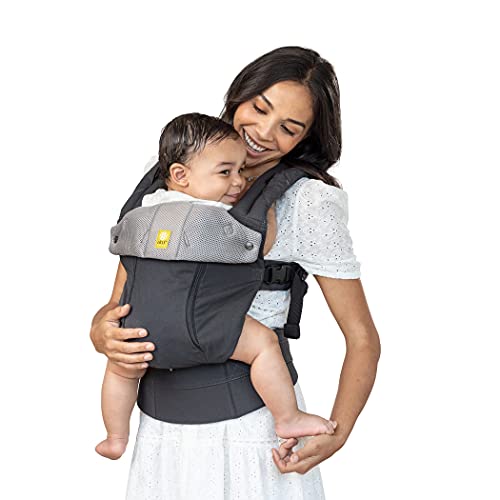
This guide is for parents, grandparents, and caregivers who feel back pain after carrying, and for anyone choosing a first carrier with a sore back in mind. Every carrier below was picked from its Amazon product title and listing details, with the weight limits, lumbar support features, and strap designs stated on the listing.
Quick Picks
As an Amazon Associate we earn from qualifying purchases.
| Product | Best for | Key spec from title |
|---|---|---|
| Ergobaby Omni Breeze Graphite Grey | Carrying a heavier baby in warm weather | SoftFlex Mesh with enhanced lumbar support, 7 to 45 lbs |
| LÍLLÉbaby Complete All Seasons Charcoal and Silver | Switching between inward and outward facing | 6-in-1 carrier with lumbar support, 7 to 45 lbs |
| Momcozy Purehug Black | A simple carrier with lumbar support | Enhanced lumbar support, 7 to 45 lbs |
| Momcozy Hip Seat Black Medium | Taking pressure off the back with a seat | Hip seat with 3D abdominal and lumbar support, up to 45 lbs |
| BabyBjörn Carrier One Cotton Black | A structured carrier for newborns through toddlers | Sturdy waist belt and padded straps, 8 to 33 lbs |
How to Choose
Start With the Waist Belt and Lumbar Support
The waist belt does most of the work in a back-friendly carrier, because it transfers the baby’s weight from your shoulders to your hips and legs. Look for a wide, structured belt that sits firmly on your hip bones and stays put when you walk, rather than a thin strap that rides up or digs in. Enhanced lumbar support, the kind listed for the Ergobaby Omni Breeze, the LÍLLÉbaby Complete, and the Momcozy Purehug, adds a padded panel behind the lower back. Try the belt high on your waist first, then tighten it until it feels snug without pressing on your stomach, and check that it does not slide down once the baby is in.
Check How the Weight Is Shared
A carrier that hangs everything from two narrow shoulder straps will hurt your neck and upper back within an hour, no matter how light the baby is. The best designs for sore backs spread the load across the waist belt, the shoulders, and the chest, so no single point carries it all. Adjustable cushioned straps, like those on the Ergobaby Omni Breeze, let you shift the weight until it feels balanced, while a chest strap keeps the shoulder straps from sliding outward. When you try a carrier on, stand and notice where you feel the pull. If the pressure sits in your shoulders, loosen them and tighten the waist belt, and see whether the load moves down to your hips.
Fit the Carrier to Your Body, Not the Average
Carriers are sized for a wide range of bodies, and a poor fit is one of the most common causes of back pain while carrying. Check the waistband range before you buy: the Momcozy Hip Seat lists a medium waistband of 27 to 45 inches, with a large size covering 40 to 55 inches, so measure your waist where the belt will sit. Shoulder straps should adjust enough to sit flat without cutting into your arms, and the panel should support your baby without forcing you to arch backward. If two adults will share the carrier, pick one with quick, tool-free adjustments, because a carrier left on one person’s settings will fit the other person badly and strain their back.
Think About Heat, Positions, and Carry Time
Back pain gets worse when you are hot, tense, and stuck in one position for a long time, so fabric and positions matter as much as the belt. Mesh panels, like the SoftFlex Mesh on the Ergobaby Omni Breeze, let air move through the carrier, which helps you stay relaxed. A carrier with several positions, such as the 6-in-1 LÍLLÉbaby Complete or the 4-position Ergobaby Omni Classic line, lets you switch your baby from front inward to back carry as they grow, and back carry puts the weight closer to your centre of gravity. Plan short breaks on long outings, sit down to rest your back, and re-tighten the straps after a break, because they loosen as you move.
The 5 Best Options
Ergobaby Omni Breeze Graphite Grey
The Omni Breeze is the strongest all-round pick for sore backs in this guide, because it pairs enhanced lumbar support with a wide waist belt and adjustable cushioned straps that spread the load across your hips and shoulders. Its SoftFlex Mesh keeps air moving on warm days, so you stay cooler and less tense on long walks, and it carries babies from 7 to 45 lbs without an infant insert. The mesh panel and the structured belt work together: the belt takes the weight, the straps steady it, and the mesh stops heat building up against your chest and back.
Specs
- 7 to 45 lbs weight range
- SoftFlex Mesh
- Enhanced lumbar support
- Adjustable cushioned straps
Best for: Parents who carry a growing baby for long stretches in warm weather.
Watch out for: Check the fit of the waist belt at the top of the weight range before a long day out.
LÍLLÉbaby Complete All Seasons Charcoal and Silver
The LÍLLÉbaby Complete All Seasons suits parents whose back pain flares when a carrier forces one position all day, because its 6-in-1 design covers inward and outward facing, hip carry, and back carry, so you can change the load as your baby grows. Lumbar support is built into the waist belt, and the all-seasons panel adapts to warm and cool days without a second carrier. At 7 to 45 lbs it covers the newborn stage through toddlerhood, which makes it a good single purchase for families who want one carrier that keeps up with a heavier child.
Specs
- 7 to 45 lbs weight range
- 6-in-1 carry positions
- Lumbar support
- Inward and outward facing
Best for: Parents who want to switch carry positions through the day to rest their back.
Watch out for: Learn each position at home first, since a rushed switch can leave the straps uneven.
Momcozy Purehug Black

The Momcozy Purehug is the simplest back-friendly pick here, built around enhanced lumbar support and a 7 to 45 lb weight range that covers newborns through toddlers. Its appeal for sore backs is straightforward: a supportive waist belt takes the weight off the shoulders, and the design stays close to the body so the baby does not pull you forward. Note one detail before you buy: one listing crawl records the range as 7 to 44 lbs rather than 7 to 45 lbs, so check the weight limit stated on the listing you order from. For parents who want lumbar support without a complicated setup, it is a practical choice.
Specs
- 7 to 45 lbs weight range (one crawl records 7 to 44 lbs; verify on the listing)
- Enhanced lumbar support
Best for: Parents who want lumbar support in a simple, easy-to-adjust carrier.
Watch out for: Verify the weight limit on the listing before ordering, since one crawl records 7 to 44 lbs.
Momcozy Hip Seat Black Medium
The Momcozy Hip Seat takes a different approach to back pain: instead of hanging the baby from straps, it gives them a seat on your hip, with 3D abdominal and lumbar support in the waistband spreading the load around your core. It carries babies up to 45 lbs, and the medium waistband fits waists from 27 to 45 inches, with a large size covering 40 to 55 inches. The seat is useful for toddlers who want up and down, because you can lift them on and off without re-threading straps. Multiple storage pockets turn it into a diaper bag for trips, and the bottle holder fits bottles up to 150ml.
Specs
- Up to 45 lbs
- Waistband Medium 27 to 45 in; Large 40 to 55 in
- 3D abdominal and lumbar support
- Multiple storage pockets, functions as a diaper bag
- Bottle holder up to 150ml
Best for: Parents of toddlers who are lifted up and down often and want the weight on their hips.
Watch out for: The listing warns it is not suitable for babies diagnosed with hip dysplasia; check the waistband size against your measurements before ordering.
BabyBjörn Carrier One Cotton Black

The BabyBjörn Carrier One is a structured carrier built for long use, carrying babies from 8 to 33 lbs and from newborn to 36 months according to the manual. Its sturdy waist belt and padded shoulder straps share the load between hips and shoulders, which helps when a baby gets heavier and the weight starts to pull on your upper back. The cotton fabric feels firm and supportive rather than stretchy, so the baby stays close to your body and your posture stays upright. It is a good fit for parents who want a single structured carrier from the early months through toddlerhood without switching models.
Specs
- 8 to 33 lbs; 0 to 36 months per manual
- Sturdy waist belt
- Padded shoulder straps
Best for: Parents who want one structured carrier from newborn through toddlerhood.
Watch out for: The 33 lb upper limit is lower than the 45 lb carriers in this guide, so check it against your baby’s weight.
Which One Fits Your Situation
Your Back Hurts After Short Carries
If pain starts within minutes, pick the carrier with the most structured support: the Ergobaby Omni Breeze or the Momcozy Hip Seat. The Omni Breeze spreads the load across a wide belt and cushioned straps, while the hip seat moves the weight onto your waistband and core. Try the waist belt high and snug first, and keep carries short until your back adjusts to the new load.
You Carry in Warm Weather
Heat makes back pain worse, so choose the Ergobaby Omni Breeze for its SoftFlex Mesh, which lets air move through the carrier instead of trapping warmth against your back. The LÍLLÉbaby Complete All Seasons is the backup pick, with a panel that adapts to warm and cool days. Wear light clothing under the carrier, take shade breaks, and re-tighten the straps after a rest, since sweat and movement loosen the fit.
Two Adults Share One Carrier
When two adults share a carrier, quick adjustment matters more than any single feature. The LÍLLÉbaby Complete All Seasons changes positions without extra parts, and the Ergobaby Omni Breeze adjusts its cushioned straps easily between wearers. Each person should re-fit the waist belt and straps before carrying, because a carrier set for a taller partner will pull on a shorter partner’s shoulders and lower back.
You Want the Simplest Back-Friendly Option
If you want lumbar support without learning a complicated carrier, start with the Momcozy Purehug. Its enhanced lumbar support and 7 to 45 lb range cover the essentials, and there are fewer straps and settings to get wrong. Just verify the weight limit on the listing before you order, since one crawl records 7 to 44 lbs, and check the waist belt fit on your first walk before committing to a long day out.
Common Mistakes
- Wearing the waist belt too low, so the weight hangs from the shoulders instead of resting on the hips.
- Leaving the shoulder straps loose, which lets the baby pull away from your body and arch your back.
- Skipping the fit check when another adult used the carrier last, and carrying on their settings.
- Choosing a carrier by weight limit alone without checking the waistband size and strap adjustment range.
- Carrying for hours without a break, then blaming the carrier when tired back muscles are the real problem.
Frequently Asked Questions
What makes a baby carrier good for back pain?
A good carrier for back pain moves most of the weight onto your hips through a wide, structured waist belt with lumbar support, then shares the rest across padded shoulder straps. Look for adjustable straps, a snug fit that holds the baby close, and positions that let you switch the load. The carriers in this guide were picked for those features.
How high should the waist belt sit?
The waist belt should sit high on your waist, resting on your hip bones rather than your stomach or hips’ soft tissue. Tighten it until it feels snug and stays in place when you walk, then adjust the shoulder straps so the baby sits close to your chest. If the belt slides down during a walk, stop and re-tighten it before the weight shifts to your shoulders.
Can a hip seat carrier help with back pain?
A hip seat can help because the baby sits on a firm shelf at your waist, so the weight rests on your hips and core instead of hanging from your shoulders. The Momcozy Hip Seat in this guide adds 3D abdominal and lumbar support to its waistband. It suits toddlers who are lifted up and down often, but check the listing warning about hip dysplasia before you buy.
How long can I carry my baby without hurting my back?
There is no fixed time limit, because it depends on your baby’s weight, your fitness, and how well the carrier fits. Start with short carries of 20 to 30 minutes, take a break to sit and stretch, and lengthen the time only if your back stays comfortable. If pain appears quickly even in a well-fitted carrier, shorten the carry and talk to a clinician about your back.
Related guides
More from Amazon
Programs that pair well with the guide above. Offers and eligibility are set by Amazon and may change.
Set up recurring deliveries of everyday items on eligible products. Terms and savings are set by Amazon.
Explore Subscribe & SaveFree shipping on eligible items, Prime Video and more. Eligible new members can start with a free trial.
Start a Prime free trialAudiobooks and podcasts to listen to on the go. Eligible new members can start with a free trial.
Try Audible freeRead from a large library of eBooks and audiobooks on any device. Check Amazon for current plans.
Explore Kindle UnlimitedAs an Amazon Associate we earn from qualifying purchases.


Write Your Review
No reviews yet. Be the first to share your experience!